
- Bombay Hospital, Room 203 Near Liberty Cinema, Marine Lines
- healthyhearts.dr@gmail.com
- +91 9082106755
- Mon to Sat: 9am to 5pm
Best CABG Surgeon in Marine Lines
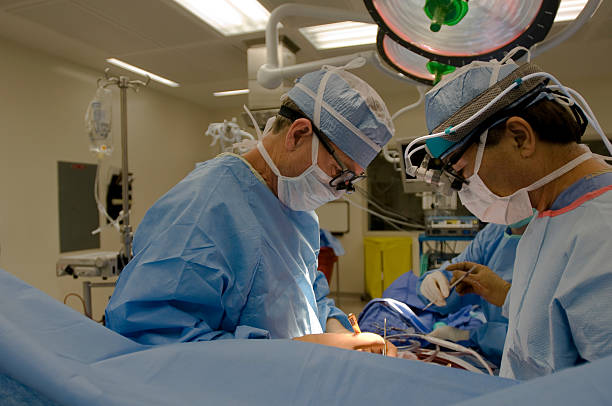
What is coronary artery bypass surgery?
The medical term for heart or coronary artery bypass surgery is coronary artery bypass graft (CABG).To make a detour or bypass around the blockage in the coronary artery that feeds the heart, a blood vessel has to be taken from the arms, legs, or chest. This allows blood to flow in the reverse direction to the heart. Heart bypass surgery is a relatively safe and effective means of reducing the risk of heart attack and death. The procedure can also help reduce chest pain and other symptoms of coronary artery disease, when done under the supervision of the Best CABG Surgeon in Marine Lines.
What does coronary artery bypass surgery involve?
Depending on the type of procedure, coronary artery bypass surgery may go through different stages. An open bypass procedure consists of the following steps:
- - General anesthesia: The anesthesiologist gives the patient a general anesthetic to put him to sleep and then inserts a breathing tube into the patient’s windpipe.
- - Graft vessel harvesting: Surgeons will take target vessels from the patient's arm, chest, or leg.
- - The surgeon will cut down the middle of the chest and crack the sternum to access the patient’s heart. In case of on-pump surgeries, the heart will be stopped temporarily at this point.
- - Cardiopulmonary bypass . A doctor may place a patient on a cardiopulmonary bypass. This involves
- - Grafting: Surgeons will connect the new graft vessels to the sides of the blockages to detour the blood flow.
- - Blood flow restored. The doctors will disconnect the cardiopulmonary bypass and check the blood flow through the grafted vessel, if necessary.
- - Closure: The Best CABG Surgeon in Marine Lines will close the sternum with metal wires after confirming the blood flow through the graft and stitch up the incision site. The patient will be moved to the intensive care unit to recuperate.
Risks and complications of coronary artery bypass surgery
Risks and potential complications vary for each person. This will depend on the type of procedure performed, personal health, and personal risk factors.
The following are possible side effects of a heart bypass:
Complications may be more likely if you have emergency surgery, such as for a heart attack. Treatment results can be greatly enhanced by the advice of the Best CABG Surgeon in Marine Lines because certain underlying conditions, such as diabetes or peripheral artery disease (PAD), may also raise the risk.
Success rates of coronary artery bypass surgery
Heart bypass surgeries are a serious procedure, albeit a relatively safe one. The results of these procedures are generally positive. The overall success rate at Columbia Surgery is close to 98%. A Best CABG Surgeon in Marine Lines may give more specific advice but it is important to remember that the result may vary on things like the person’s general health. A patient’s physician can provide them with more information about possible outcomes.
Recovery time after coronary artery bypass surgery
Following coronary artery bypass surgery, a patient typically needs to stay in the hospital for about seven days. Following coronary artery bypass surgery, a patient will have a breathing tube until they are able to breathe on their own. In addition, there will be external skin monitors and tubes and drains in the chest. The medical staff will keep an eye on these devices' output and remove them when necessary. Additionally, they will keep an eye on blood pressure. People should anticipate coughing since soreness is common and there is probably some fluid in the lungs.
After the doctor removes the breathing tube, people typically begin to eat and move around. Platelet inhibitors, which help prevent blood clots, are common postoperative medications. For advanced cardiac recovery care, the Best CABG Surgeon in Marine Lines is frequently consulted. In order to help regulate blood pressure and heart rate, doctors may also recommend other drugs. Recovery may also require cardiac rehabilitation and physical therapy.